

Pothole Repairs and Road Maintenance in Northern Ireland |
Addressing pothole repairs Northern Ireland |
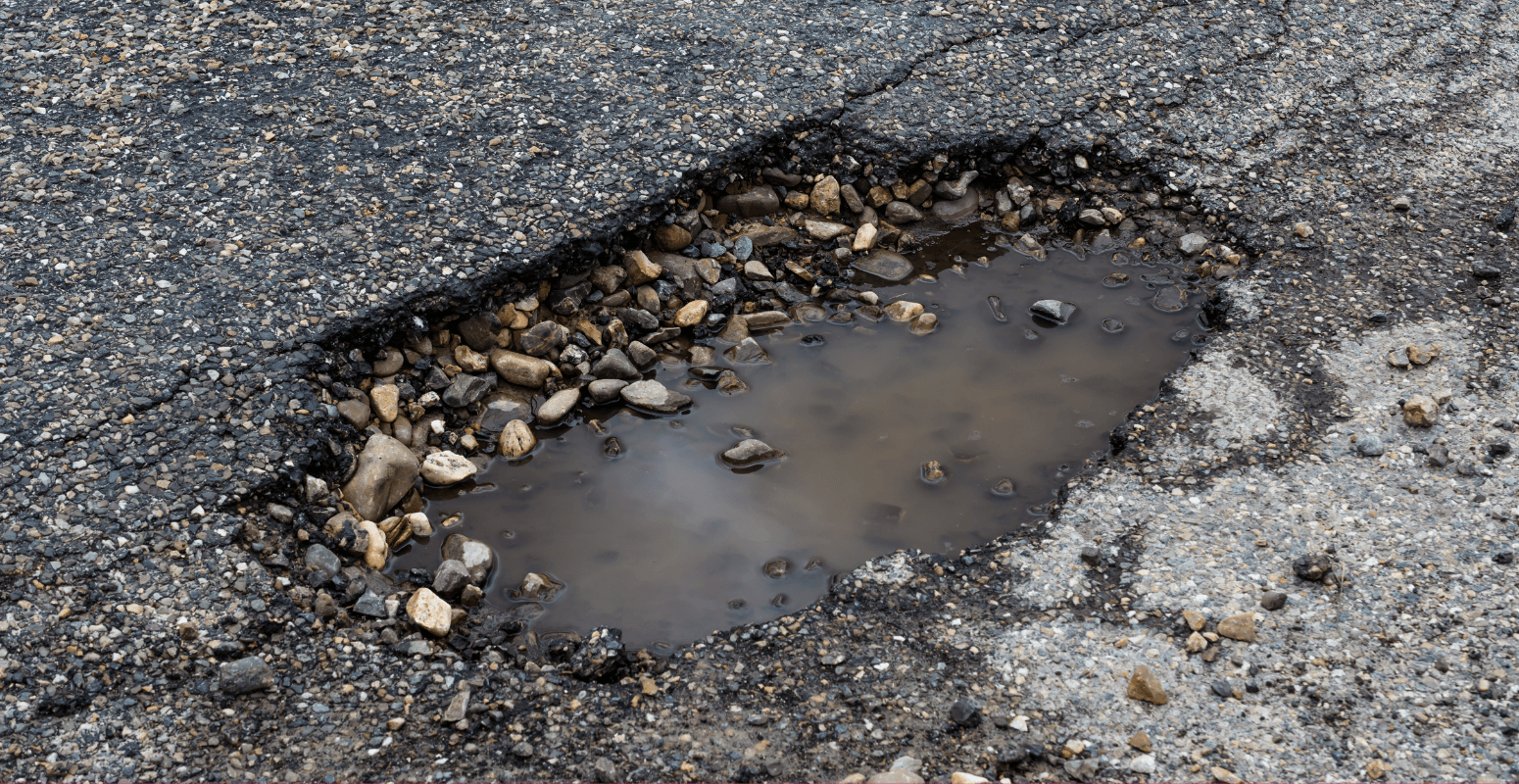
Northern Ireland's roads are increasingly plagued by potholes, a persistent issue that has escalated in recent years. In 2023 alone, over 110,000 potholes were recorded, marking a 9% increase from the previous year.
The Department for Infrastructure (DfI) is tasked with maintaining the region's roadways. Despite their efforts, the surge in potholes has led to mounting frustration among motorists.
A survey revealed that 91% of drivers in Northern Ireland have issues with potholes in their area, with 94% believing that not enough is being done to address the problem.
Financial constraints are often cited as a primary obstacle to effective road maintenance. The DfI's budget for essential road upkeep has reached critically low levels, covering only a fraction of what is necessary to keep the network safe and functional.
This underfunding has resulted in scaled-back repair programs and significant delays in addressing road defects.
The impact of these funding shortfalls is evident across various council areas. Newry, Mourne, and Down reported the highest number of potholes in 2023, with 20,080 cases—a 32% increase from the previous year. Other areas, such as Armagh City, Banbridge, and Craigavon, also faced substantial challenges, recording 12,986 potholes.
The repercussions of deteriorating road conditions extend beyond driver inconvenience. Over the past five years, nearly 20,000 public liability claims related to potholes and road defects have been filed, costing the government £20.6 million in compensation.
In the 2024/25 fiscal year alone, the Department for Infrastructure settled claims amounting to £5.1 million, more than double the amount paid out five years prior.
Addressing the pothole crisis requires a multifaceted approach. Adequate funding is essential to implement comprehensive maintenance programs. Additionally, adopting innovative repair methods and materials could enhance the durability of road surfaces.
For instance, the introduction of cold asphalt products that work in all weather conditions offers a promising solution. Public choice theory suggests that bureaucratic inertia and a focus on large-scale projects over routine maintenance contribute to the neglect of essential services like pothole repairs.
To counteract this, integrating regular maintenance into the core budget and ensuring accountability in resource allocation are crucial steps.
In conclusion, the escalating pothole problem in Northern Ireland underscores the need for strategic investment and efficient management in road maintenance.
By prioritising these areas, the government can enhance road safety, reduce financial liabilities, and improve the overall driving experience for its citizens. |
0 Comments
Join the conversation
Be the first to comment
Share your thoughts above.