

Ambulance Service Delays and Solutions in Northern Ireland |
Discussing emergency surgery access and ambulance response times Northern Ireland |
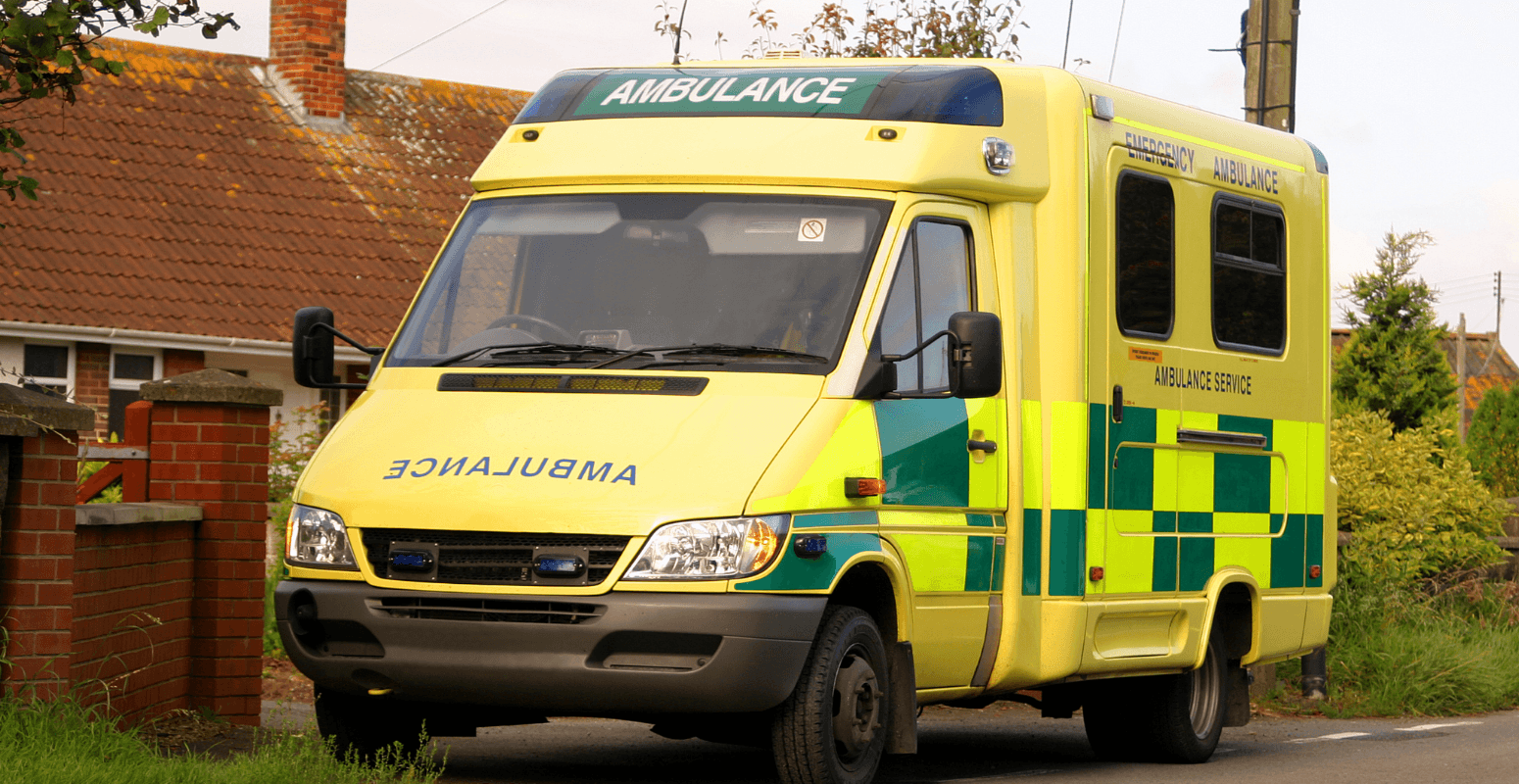
The Northern Ireland Ambulance Service (NIAS) is currently under exceptional and unprecedented pressure, significantly impacting its ability to respond promptly to emergency calls.
Recent reports indicate that the service is missing Category 1 and 2 calls by a significant margin, raising serious concerns about patient safety.
At a recent Health Committee meeting at Stormont, Maxine Paterson, Chief Executive of NIAS, highlighted that prolonged delays are a patient safety issue.
She noted that in 2023/24, over 11,000 ambulance handovers took more than three hours, a dramatic increase from around 400 in 2019/20. This deterioration has led to tens of thousands of instances where patients may have experienced potential harm due to delays.
Sinn Féin MP Pat Cullen has urged Health Minister Mike Nesbitt to take immediate action to address these issues. She emphasised that paramedics are a crucial part of the health service, providing high-quality emergency care to those most in need.
Cullen pointed out that difficulties in transferring patients into hospitals are causing significant knock-on effects, keeping staff and vehicles tied up for long periods and away from frontline duties. She called for improvements in patient flow through hospitals, timely handovers, and strengthened support for frontline staff.
Health campaign group Save Our Acute Services (SOAS) has also raised concerns about the impact of these delays on emergency surgery access.
They highlighted that patients in Fermanagh and South Tyrone needing life-saving emergency surgery face travel times of up to two and a half hours to Altnagelvin Hospital, in addition to the ambulance call-out times discussed by the NIAS Chief Executive.
Donal O'Cofaigh, spokesman for SOAS, stated that comments from NIAS Chief Executive Maxine Paterson confirm what SOAS has long maintained—that minutes matter in emergencies.
He referenced a 2021 review showing clear evidence of harm among patients waiting more than one hour for care. O'Cofaigh added that while the remarks highlight the importance of timely intervention across Northern Ireland, the continued inaction on restoring emergency surgical services in Fermanagh and West Tyrone stands in sharp contrast to that concern.
SOAS has written to Health Minister Mike Nesbitt seeking an urgent meeting on the commissioning of a sustainable emergency surgery service at South West Acute Hospital (SWAH).
They emphasised the need for funding for the community's essential health services to be included in the forthcoming three-year Stormont budget. O'Cofaigh questioned the value placed on a life in Fermanagh or Tyrone, asking whether civil and human rights, and basic health needs, are simply not a political priority.
He asserted that people in this region are entitled to the same timely access to life-saving emergency surgery as every other part of Northern Ireland and that they will accept nothing less.
The Department of Health and the South Eastern Trust have apologized after a 91-year-old woman spent 36 hours waiting for an ambulance, nine hours waiting outside an emergency department, and another 16 hours on a hospital trolley.
This incident underscores the severe strain on the ambulance service and the broader health system.
The Auditor General's report highlighted a dramatic deterioration in ambulance handover times, with the number of handovers taking more than three hours rising from around 400 in 2019/20 to just over 11,000 in 2023/24.
These delays have led to tens of thousands of instances of potential harm to patients. The report also noted that the overall performance throughout Northern Ireland is much worse than in England and Wales.
In response to these challenges, the Department of Health has been working with hospitals to put in place pathways for patients to access a range of services as alternatives to going to an Emergency Department, where this is appropriate.
However, pressures manifest at the Emergency Department, and flow through the system and getting those people medically fit for discharge back into the community remain significant issues, meaning that a whole system approach is required.
The situation has also led to increased reliance on the unregulated private sector to address service provision gaps. In 2019/20, NIAS commissioned private sector ambulances to provide emergency department relief on more than 20 occasions. By 2023/24, this had risen to more than 1,000 occasions.
The Health Minister has acknowledged the challenges and emphasised the need for a whole system approach to address the issues. He stated that reducing ambulance handover delays has been a key priority for the Department and that a significant program of work has been undertaken to provide alternative, appropriate services for people, such as Urgent Care Centres and local Phone First services.
The Minister also highlighted the importance of improving patient flow through hospitals and ensuring timely handovers to strengthen support for frontline staff.
The ongoing challenges faced by the NIAS and the broader health system in Northern Ireland underscore the urgent need for comprehensive solutions to improve ambulance response times and emergency surgery access.
Addressing these issues is critical to ensuring that all patients receive timely and effective care, regardless of their location. |
0 Comments
Join the conversation
Be the first to comment
Share your thoughts above.